30 things to do in Okinawa
Walk through Naha and Shuri, visit the peace museums and castles, then explore the mainland coast or sail to the Kerama Islands.

Choose a month and an area
- Start by separating time in Naha from time on the coast and at castle sites. From Yui Rail stations, walks lead to the market, the pottery district and Shuri. The museums in Itoman, the cape in Nanjo, the aquarium in Motobu and the rock formations of Yanbaru can each provide the focus of a separate day that includes the journey there.
- For a trip built around swimming, the conditions and the route differ between Naminoue in Naha and Aharen on Tokashiki. Naminoue's 2026 season opened on 5 April and swimming ran through 31 October. Aharen involves a ferry and a journey by bus on the island. Swimmers use the designated area there.
- Two sets of dates have been published for northern Okinawa in winter. The Nago Cherry Blossom Festival runs on 30 and 31 January 2027, and the Nakijin Castle Cherry Blossom Festival from 30 January to 7 February. Those dates are for the events rather than predictions of peak bloom. They give a choice between a walk among castle walls and a visit to a park in Nago.
- During the autumn Tug-of-War in Naha, time at Kumoji Intersection works differently from an ordinary walk along Kokusai Street. The 2026 tug-of-war and ceremony had a separate place and schedule from the procession.
- See Okinawa Main Island for the areas in relation to one another and Okinawa in winter for the winter events.
Naha and Shuri
- Walk from Kokusai Street into the market lanes
Kokusai Street runs for about 1.6 kilometres across central Naha towards Makishi. Its main frontage is lined with shops and places to eat. Turning into the covered Market Hondori arcade gives a walk with a different scale and brings a daytime meal and some shopping into the same small part of the city. Use Kenchomae at the west end or Makishi at the east end on the Yui Rail. A walk can begin at one station and end near the other. For a day centred on the market, it is also possible to begin at Makishi, spend time in the covered lanes and set the afternoon aside for Tsuboya. The restaurants along Kokusai Street and the dining floor of the public market offer different ways to spend a lunch break. At the market, you can look through the seafood and meat counters before going upstairs. Give that meal its own time rather than trying to fit it into the walk through the main street. See Kokusai Street.
- Go from the fish counters to the dining floor at Makishi Market
The First Makishi Public Market opened in 1950, and its present building dates from 2023. Fish and meat counters occupy the first floor and places to eat are upstairs. Selected purchases from the fresh fish and meat counters can be cooked on the second floor for a separate charge. Market hours are normally 8:00–22:00. The food counters upstairs stop taking orders at 20:00, and the cooking service for food purchased downstairs ends at 19:45. Individual businesses have their own hours. The market normally closes on the fourth Sunday except in December, from 1 to 3 January and on days 16 and 17 of the seventh lunar month. Details are as of 23 November 2026. The market is about nine minutes on foot from Makishi Station and about ten from Miebashi. Buying fish and having it cooked takes a separate step from ordering a meal directly. In the evening, the cooking and ordering deadlines matter earlier than the time the building itself closes. See Three days in Okinawa for a route through Naha.
- Walk through Tsuboya and look at yachimun pottery
In Tsuboya, shops selling Okinawan ceramics line a stone-paved street. The same walk can include time to look at individual bowls or cups and time to follow the shape of the street itself. After the market, it gives a different focus to the day without a long transfer across the city. The entrance plaza is eight minutes on foot from Makishi Station via Kokusai Street, or eleven minutes from Asato Station. The neighbouring Tsuboya Pottery Museum is closed for renovation from 1 September 2026 to 31 March 2027, with reopening scheduled for 1 April 2027. During that period, make the pottery shops and the street itself the focus of the visit instead of allowing time for the museum galleries. See Tsuboya Yachimun Street.
- Walk from Shureimon Gate to the courtyard of Shurijo Castle
Beyond Shureimon Gate is the stone gate of Sonohyan Utaki. The route continues beside the masonry towards the inner part of the castle. Hoshinmon is the entrance to the ticketed courtyard. From Shuri Station, allow about fifteen minutes on foot to Shureimon. The Seiden opened to the public at noon on 23 November 2026. Admission inside the building requires a ticket for a chosen day and time slot. The ticket for the exterior and courtyard has no timed entry. Individual admission for either option costs ¥1,000 for adults, ¥760 for high-school students and ¥370 for elementary- and junior-high-school students. The paid area opens from 8:30 to 19:00 from April through November and from 8:30 to 18:00 from December through March. Last admission is thirty minutes before closing. On a day with a Seiden reservation, allow time to walk from Shureimon before passing the ticket gate at Hoshinmon. Hours are as of 23 November 2026. See Shurijo Castle Park and How to visit the Seiden of Shurijo Castle.
- Walk between the ponds and bridges of Fukushu-en
Fukushu-en is a Chinese-style garden commemorating ties between Naha and Fuzhou. Within its walls are ponds, bridges and pavilions. The same pond comes into view from a different angle after a crossing. A short visit can move from the city street, through the entrance and into a garden arranged around water. The garden is in Kume, on a different side of the city centre from the walk up Kokusai Street. On a day that continues to the coast, leave the garden enough time to stop beside the ponds before heading towards Naminoue. The usual daytime schedule published by Naha City is 9:00–18:00, closed Wednesdays or the following day when a Wednesday is a public holiday. Daytime admission is ¥200 for adults and ¥100 for junior-high-school children and younger. These are daytime conditions as of 23 November 2026, separate from any evening opening. See Okinawa Main Island.
- Walk from the city to Naminoue Beach
Naminoue is a sandy beach within reach of central Naha on foot. It gives a day in the city a place to see the water separately from a ferry trip out of the port. A walk on the shore and a swim are distinct visits, so a person can go to the beach even when swimming is out of season. Swimming takes place during the swimming season and in the hours and area designated for it. For a walk on the sand, you can combine the shore with Kume or Fukushu-en without planning on a swim. If you are swimming during opening hours, use the marked swimming area and follow the lifeguards' directions. See the Naha section of Okinawa Main Island.
- Order goya champuru
Goya champuru is a stir-fry with bitter melon and Okinawan tofu. The local tofu is firm enough to retain its shape in the pan. Pork or egg can be added, among other ingredients, so the same dish name does not always tell you everything that will be served in the bowl. In an Okinawan dining room, this is a stir-fried dish rather than a meal built around noodles, such as Okinawa soba. See Okinawan goya champuru for the dish and places to eat it, and Okinawan soki soba for the noodles.
- See the straw rope at the Naha Tug-of-War
For the Naha Tug-of-War, a rope made of straw is laid across the event space on the main road at Kumoji. It takes a different kind of visit from a regular walk along Kokusai Street. Allow for getting to the event area as well as for the time at which the tug-of-war itself takes place. In 2026 the event was scheduled from 13:30 to 16:10 on 11 October at Kumoji Intersection on National Route 58. Viewing conditions are specific to the year. The event takes place on the road itself, so journey time on that day is a separate consideration from getting around central Naha on an ordinary day. See Naha pulls on one great straw rope for the history and details of the event.
Itoman and Nanjo
- Walk among the memorials at Peace Memorial Park in Mabuni
Peace Memorial Park in Mabuni, Itoman, includes the Cornerstone of Peace, the prefectural museum, memorials and open areas. Along the Cornerstone, the engraved names remember people who died in the Battle of Okinawa and related circumstances, regardless of nationality or whether they were military personnel or civilians. The prefectural museum opens 9:00–17:00 with entry to the permanent galleries until 16:30. Admission to the exhibition is ¥300 for adults and ¥150 from elementary school through university and vocational college, payable in cash. The museum closes from 29 December to 3 January and may close during a typhoon. Details are as of 23 November 2026. From the Heiwa Kinendo Iriguchi stop on route 82, it is around five minutes on foot to the museum. Allow separately for the walk among the memorials and the permanent exhibition, so that either can come first on an afternoon visit. In wet weather, the exhibition can take the first part of the visit. See Okinawa Peace Memorial Park.
- Visit the Himeyuri monument and peace museum
The Himeyuri monument remembers the students and teachers of the Okinawa Women's Normal School and the First Prefectural Girls' High School mobilised during the battle. It stands over the Ihara cave used by the army hospital's Third Surgery Unit. The museum begins with life at the schools and follows the story through wartime mobilisation and its aftermath. The museum opens 9:00–17:25, with final admission at 17:00. Groups of fewer than ten do not need a reservation. Individual admission costs ¥450 for adults, ¥250 for high-school students and ¥150 for elementary- and junior-high-school students, as of 23 November 2026. English interpretation is available in the galleries, which warrant time beyond a stop at the monument. From Itoman Bus Terminal, transfer to route 82 or 107 and get off at Himeyuri no To Mae. If the day also goes to Peace Memorial Park in Mabuni, leave a separate gap after the museum for the wait for an onward bus. See Himeyuri Peace Museum and Three days in Okinawa.
- Follow the open part of the path at Sefa Utaki
Sefa Utaki, in Nanjo, is an Okinawan place of worship where prayer sites are set among rocks and trees. The path from the entrance leads towards several of these places, with access restricted at Sanguui. Work from 2 November 2026 has added a separate restriction on part of the route between the entrance and the fork. The usual hours are 9:00–18:00 from March to October and 9:00–17:30 from November to February. Last admission is thirty minutes before closing. Normal admission is ¥600 from high-school age and ¥300 for elementary- and junior-high-school students. Entry is free from 2 November 2026 to 5 January 2027 during the restricted-access period. Details are as of 23 November 2026. The scheduled rest days in 2027 are 5–7 June and 29–31 October. Give worshippers room and remain on the path. On a day that also includes Cape Chinen, leave the sacred site's opening hours separate from the time set aside for the public coastal park. See Sefa Utaki.
- See the limestone formations along Gyokusendo's public route
Gyokusendo is a limestone cave entered from Okinawa World. The public route through it is 890 metres. Along the walkway, some formations hang overhead and others show the effects of water close to the path. The route gives a close perspective on limestone that differs from looking at cliffs outdoors. Hours are normally 9:00–17:30, with final admission at 16:00. The general admission ticket costs ¥2,000 for adults and ¥1,000 for children. Entry to the public walkway is separate from guided exploration of the closed section. Hours and fees are as of 23 November 2026. On a day that continues to Chinen or Itoman, give the transfer its own time after the cave visit. The bus stop serving the facility is Gyokusendo-mae. If the day also includes the coast, the underground route and the time in the open make two separate parts of the outing. See the southern Okinawa section of Okinawa Main Island.
- Look out to Kudaka Island from Cape Chinen
At Cape Chinen Park in Nanjo, the view opens across the sea towards Kudaka Island. A walk here looks at the relationship between the coast and the islands from higher ground. When cloud or haze obscures the distance, the paths on the cape still give the outing a clear focus. Nanjo's N Bus serves the Chinen Misaki Iriguchi stop. The cape and Sefa Utaki are in the same part of Nanjo, but their visits work differently. Keep time at the park separate from the time when the sacred site admits visitors if you want to include both on the same day. See Sefa Utaki for a separate visit in the Chinen area.
The central coast and castle ruins
- Follow the Sunset Walk along the coast of Chatan
The Sunset Walk follows the coast at Depot Island in Chatan. Turn out towards the water from between the buildings, and a walk past shops becomes a walk with views along the shore and towards the harbour. Clouds determine how much of the sunset is visible. Buses run to Chatan from Naha and the airport. Around sixty minutes from the airport is a useful planning figure, though services differ in their stops and routes. See Okinawa Main Island for the layout of the central coast.
- See the workshops and ceramics of Yachimun no Sato
The pottery village in Yomitan brings red-tile-roofed workshops, kilns and galleries together. Allow time to look at finished pieces in the galleries and separately to walk the lanes past the workshops and kilns. It gives pottery a different setting from the city street in Tsuboya. Workshops and galleries set their own hours and access. A half-day in Yomitan can begin with the ceramics or with the stone walls at Zakimi. Even within the same village, make room for getting from one site to the other before expecting to spend time in both. See Tsuboya Yachimun Street for another district with Okinawan pottery.
- See the curved stone walls and archways at Zakimi
Gosamaru built Zakimi Castle in Yomitan around 1420. The archways and curved walls change direction as you approach from outside and move into an enclosure. The shape of the castle is read by walking its stone paths and changes of level rather than by touring the interior of a building. Admission to the ruins themselves is free. The grounds also house the Yuntanza Museum, so time among the castle walls and time indoors with the history of Yomitan can be set apart. In rain, the museum and the pottery galleries make a different focus from a long walk around the walls. See the central Okinawa section of Okinawa Main Island.
- Follow Gosamaru's castle enclosures at Nakagusuku
Nakagusuku's enclosures follow a ridge. As you move from one to the next, you see different faces of the walls and look out towards a different stretch of sea. Gosamaru is associated with both this castle and Zakimi, where the same interest in the walls and gates makes it possible to compare how two very different sites were used. As of 23 November 2026, the ticket desk takes admissions from 8:30 to 17:00 and an individual adult ticket costs ¥500. The site involves steps and slopes. Allow time from admission to walk through the enclosures and return, especially if rain changes how far you can comfortably walk outdoors. A place where the walls can be seen as a whole and a position close to a gateway reveal different parts of the masonry. A short visit can focus on the sequence of gates rather than attempting to enter every enclosure. See Okinawa Main Island for other castle sites.
- See the walls and peninsula from Katsuren Castle Ruins
Katsuren Castle occupies an isolated hill on the Katsuren Peninsula, with enclosures rising in stages. On the way up, the stone walls change the near view while the peninsula and the sea open out beyond them. The form of the hill is seen differently from the road below and from inside the walls. Tickets for the ruins and permanent exhibition are sold at the Amawari Park history and culture facility. Usual hours are 9:00–18:00, with final ticket sales at 17:30, as of 23 November 2026. In addition to climbing the castle hill, allow time indoors for the exhibits on Amawari and the history of the site. See Okinawa Main Island.
- Cross the marine causeway to Henza Island
Henza is the first island reached from the Okinawa mainland along Uruma's marine causeway. The water opens on both sides of the road, which makes this a crossing by car rather than a ferry journey. Getting to the island and stopping somewhere to spend time by the sea are separate parts of the trip. If also visiting Katsuren Castle, you can spend time climbing its steps before driving out from the peninsula. If you go to the island first, leave enough of the afternoon for the final admission to the castle on the way back. See Okinawa Main Island for the regional layout.
Onna and the Motobu Peninsula
- See the limestone cliffs at Cape Manzamo
At Cape Manzamo in Onna, the limestone cliff falls away beyond the grassy headland. The path gives views both along the rock projecting towards the sea and towards the open water beyond the cape. This is a coastal visit on foot, with time to look at the cliffs and the water together from land. The viewing area generally costs ¥100 per person as of 23 November 2026. The path is reached from the visitor facility, so time outside in wind or rain can be separate from a meal or rest in the building. For a short coastal stop, focus on the walk out from the facility itself. See Okinawa Main Island for routes towards the north.
- See the Kuroshio tank and deep-sea exhibits at Churaumi Aquarium
The Okinawa Churaumi Aquarium in Ocean Expo Park takes you from coral reef exhibits to the Kuroshio Sea and the deep. Whale sharks and manta rays swim in the main tank. Give that tank its own time, then continue down to the displays of animals that live at greater depths. Usual hours are 8:30–18:30, with final admission at 17:30. General admission is ¥2,180 for adults, ¥1,440 for high-school students and ¥710 for elementary- and junior-high-school students; children under six enter free. No closure is scheduled through 31 March 2027, but typhoons and other conditions can cause temporary closures. Details are as of 23 November 2026. Some shuttles from Naha stop outside the aquarium. On Ocean Expo Park's partial-opening days, the aquarium opens but the Oceanic Culture Museum and Tropical Dream Center are closed. See Okinawa Churaumi Aquarium and Three days in Okinawa.
- Walk alongside the fukugi hedges in Bise
In Bise on the Motobu Peninsula, fukugi hedges surround houses and meet above some of the lanes. The fukugi is Motobu's town tree. Even if following the lanes towards the sea, you are walking next to homes, a different setting from the aquarium or a public viewpoint. On a day that also includes Ocean Expo Park, spend one part indoors walking down through the aquarium, and another outdoors in Bise. On the shuttle, the Bise Fukugi Tree Road stop is drop-off only in the outward direction and pick-up only on the return. The short leg from the aquarium to Bise works as a walk. These are working residential lanes. Remain on the paths and do not enter private grounds. For a short return walk, stay near the beginning of the lanes. If you also want to see the shore beyond the settlement, allow additional time after the aquarium. See Three days in Okinawa for another route through Motobu.
- Follow the walls along the slope at Nakijin Castle
At Nakijin Castle on the Motobu Peninsula, drystone walls follow the shape of the slope. From lower down, look at where the masonry changes direction before taking in a wider view from the upper parts. The gates and steps are part of the visit as you follow the route through the ruins. The castle was once a seat of Hokuzan in northern Okinawa. On a day travelling onward from Ocean Expo Park, set aside time to walk the ruins as well as time for indoor exhibits at the aquarium. The castle paths are exposed to wind and rain, so separate days can give each visit its own conditions. The castle site opens 8:00–18:00 from January to April and September to December, and 8:00–19:00 from May to August, with final admission thirty minutes before closing. Individual admission costs ¥1,000 for adults and ¥500 for junior- and senior-high-school students. Hours and fees are as of 23 November 2026. See The Yaedake Cherry Blossom Festival in Motobu for a seasonal stop in the area.
Capes and forests of Yanbaru
- Look out from the cliffs of Cape Hedo
At the northern tip of the main island, the limestone coastline drops into the sea at Cape Hedo. The cape is a place to look across the jagged shore and out towards the horizon. Visibility determines what is seen in the distance, while the shape of the rocks nearby remains the subject of the walk. The limestone peaks inland can also be seen from the cape. ASMUI is a short drive away. Combining them gives time to see the rock from the coast and a separate walk among the formations themselves. From Naha, allow separately for travel to the far north and for both visits once you arrive. See Okinawa Main Island for the layout of the north.
- Walk among the limestone formations at ASMUI
ASMUI, formerly Daisekirinzan, has trails through a limestone landscape in northern Yanbaru. A short journey inland from Cape Hedo changes the focus from the open sea to the shapes of rock outcrops. The walk follows routes between those formations and lets you see them close up. ASMUI is about five minutes by car from Cape Hedo. Time on foot here is separate from a brief viewpoint stop at the headland. If you include both, one option is to begin with the longer walk among the limestone formations and leave the cape for a shorter stop afterwards. See the Yanbaru section of Okinawa Main Island.
- See the mangrove roots from the boardwalk at Gesashi
At Gesashi Bay in Higashi Village, a boardwalk runs beside the mangroves at the river mouth. Yaeyama hirugi, ohirugi and mehirugi are among the species here. The walk gives a view of trunks and roots close to the water rather than a distant view over the canopy. A walk on the boardwalk and a guided kayak trip give two perspectives on the same mangroves. You can still see the shape of the river mouth and the spread of the trees from land. For a trip on the water, treat the booking and meeting time as a separate commitment from a walk. See Okinawa Main Island for other places to visit in the north.
The Kerama Islands
- Sail from Tomari to the Kerama Islands
Boats leave Tomari in Naha for Tokashiki, Zamami and Aka. Tokashiki and the Zamami–Aka routes are operated by different villages. Choose the island before setting up the booking and the walk to the pier. Arrival at the port belongs on the itinerary before the boat's departure time. Since 1 October 2026, adult one-way fares to Tokashiki are ¥2,200 by ferry and ¥3,300 by high-speed boat, with a ¥100 environmental levy for eligible passengers. The adult one-way fares to Zamami or Aka are ¥2,900 by ferry and ¥3,950 by high-speed boat. Fares are as of 23 November 2026. High-speed boats and ferries can use different parts of Tomari Port. Sailings can be cancelled in poor sea conditions. If you are flying after coming back from an island, leave time between the planned arrival and any onward booking that is difficult to change. See Tokashiki Island and The sea around the Kerama Islands.
- Continue from Tokashiki Port to Aharen Beach
Aharen Beach has white sand on a different part of Tokashiki from its ferry port. Allow for a separate journey on the island after coming ashore. The time spent on the beach is one part of the day and the connection from and back to the port another. The village lists a bus to Aharen at ¥400 one way for adults and ¥200 for children, as of 23 November 2026. Swimmers use the designated area. Young children must be accompanied by an adult. Follow the instructions of the lifeguards on duty. On a day trip, the time to leave the beach comes before the sailing time from the port. A short visit can be a walk by the water, while swimming also calls for time to change and get ready. Sea conditions can restrict swimming. See Tokashiki Island for more on getting around the island.
- Look over Ago no Ura Bay from Takatsukiyama
The Takatsukiyama lookout on Zamami overlooks Ago no Ura Bay. At harbour level you walk past boats and the breakwater. From the hill, you can follow the outline of the bay and the meeting of land and water. It is a different outing from spending time beside the waves on a beach. Zamami Port, where the boats from Tomari arrive, is a starting point on the island. The lookout walk and the time spent waiting for the return boat are separate. On an afternoon sailing, use the earlier part for the climb and leave a shorter harbour walk for the time you have left. See Okinawa Main Island for getting to the Kerama Islands.
- Walk from Aka Port into the village
On Aka Island, the harbour leads straight into a small village. The short walk stays within reach of the ferry while taking in both the waterfront and the village lanes. A stay on the island gives you the option of extending the walk beyond the area close to the port. Aka is one of the islands served by Zamami Village's boats from Naha. Leave time to spend on Aka itself when deciding whether to include a separate stop on Zamami. See Tokashiki Island for another island outing by the sea.
Travel from Naha and back
If fitting several Naha stops into one day, the market and Tsuboya form a walk from the Makishi side, while Shurijo Castle has its own walk from Shuri Station. A timed Seiden ticket puts a fixed point after a meal at the market. In rain, the covered market and its dining floor give lunch its own indoor part of the day.
A day at both of the southern peace museums involves changing buses in Itoman and allowing for the wait on the journey from Himeyuri to Mabuni. The prefectural museum's visitor information as of 1 January 2026 describes route 82 as operating about once an hour. A visit that stays in Mabuni until closing calls for a different choice of bus from one that continues elsewhere.
If sharing a day between the aquarium and Bise, the return to Naha can begin at the aquarium stop or at Bise. The walk through the lanes and the wait for the bus make separate demands on the afternoon. That can help you decide how much time to give the aquarium and whether to continue towards the shore in Bise.
See Three days in Okinawa for an example that gives Naha, Itoman and Motobu separate days.
Access rules tied to dates
The Seiden at Shurijo opened on 23 November 2026. Entering the building requires a timed booking, while a walk around the exterior has no timed slot. On a day with additional stops in Shuri, make the booked time the point around which to arrange the walks before and after.
Sefa Utaki has a period of restricted access and free admission through 5 January 2027. The Tsuboya Pottery Museum is scheduled to remain closed for works through 31 March. These are specific periods within the normal calendar. Plan for the part of Sefa Utaki that is open and for the pottery shops and lanes of Tsuboya during the museum works.
For a Kerama day trip, the speed of the boat and the port location both matter. The high-speed boat to Tokashiki takes about forty minutes and the ferry about seventy. The trip on the island still includes getting between the port and the beach, so reserve part of the day for port transfers rather than counting every minute as time to walk or swim.
Dates and viewing details for the 2027 Naha Tug-of-War had not been published as of 23 November 2026.
See How to visit the Seiden of Shurijo Castle and Tokashiki Island.
Before you go
- Where | Naha and Shuri, the main island from south to north, and the Kerama Islands
- Naha | The market and Tsuboya are reached from Makishi Station, and Shurijo Castle from Shuri Station
- Booking | The interior of Shurijo's Seiden requires a timed ticket
- Dated changes | Restricted access and free entry at Sefa Utaki run through 5 January 2027; the Tsuboya Pottery Museum is scheduled to close through 31 March 2027
- Islands | Boats leave Tomari Port in Naha for Tokashiki, Zamami and Aka
- Checked | 8–23 November 2026 · 77 official sources
Places in this story
- Okinawa Churaumi Aquarium — In Ocean Expo Park in Motobu, the aquarium leads down from the third-floor coral reefs to the Kuroshio Sea tank with whale sharks and the first-floor displays of deep-sea animals from Okinawan waters.
- Sefa-utaki — A Ryukyu Kingdom sacred site in Chinen, Nanjo. Drainage work limits access to the Ujo-guchi gate and Kudaka Island worship point from 2 November 2026 through 5 January 2027, the planned end date.
- Himeyuri Peace Museum — In Itoman, telling the wartime experiences of the Himeyuri Student Corps.
- Okinawa Peace Memorial Park — In Mabuni, Itoman, where the Cornerstone of Peace records those who died in the Battle of Okinawa.
- Shurijo Castle Park — The castle of the Ryukyu kings; its rebuilt main hall has been open to the public since 23 November 2026.
- Tokashiki Island — The largest island in Keramashoto National Park, with lifeguarded white-sand beaches at Aharen and Tokashiku.
- Tsuboya Yachimun Street — A stone-paved street lined with shops selling yachimun, Okinawan pottery.
- Kokusai-dori and Makishi Public Market — Naha’s main street leads to the market known as the Kitchen of Okinawa.
Sources
Sources (77) · checked 8 November 2026
- 沖縄観光コンベンションビューロー VISIT OKINAWA JAPAN|Naha
- 沖縄都市モノレール(ゆいレール)|路線図
- 那覇市|(4月5日)波の上ビーチ海開き
- 渡嘉敷村|【村民並びに観光客の皆様へ】ビーチの利用ルールについて(阿波連ビーチ・渡嘉志久ビーチ)
- 渡嘉敷村|時刻表 運賃表 予約連絡先(フェリーとかしき・マリンライナーとかしき、2026年10月1日以降の運賃)
- 渡嘉敷村|船舶 よくある質問(予約・発券・払い戻し・欠航の基準・空港から泊港・支払い・障がい者割引)
- 名護市観光協会(名護市公式観光サイト なごむん)|第64回名護さくら祭り開催について
- 一般社団法人 今帰仁村観光協会|第20回今帰仁グスク桜まつり
- 沖縄観光コンベンションビューロー VISIT OKINAWA JAPAN|Naha Tug-of-War Festival
- 那覇大綱挽まつり実行委員会(NAHANAVI掲載)|旗頭行列・那覇大綱挽タイムスケジュール(2026年、画像。交通規制・大綱式典・綱挽の時刻、RBCの生放送)
- 那覇市観光協会(NAHANAVI)|第56回那覇大綱挽まつり(2026年。主催・主管・開催期間・各催し・タイムスケジュール・会場マップ・交通規制)
- 沖縄観光コンベンションビューロー VISIT OKINAWA JAPAN|Get to Know Naha
- 那覇市|第一牧志公設市場基本情報
- 那覇市|壺屋やちむん通り入口広場
- 那覇市|那覇市立壺屋焼物博物館の臨時休館
- 沖縄観光コンベンションビューロー VISIT OKINAWA JAPAN|Okinawa Past and Present
- 首里城公園|交通アクセス
- 首里城公園|首里城について
- 首里城公園|正殿内観覧予約について
- 首里城公園|【2026年11月23日~】首里城正殿供用開始(一般公開)決定のお知らせ
- 首里城公園|休園日、開園・開場時間
- 沖縄観光コンベンションビューロー VISIT OKINAWA JAPAN|Explore Naha by Bicycle
- 那覇市|福州園(利用時間と観覧料)
- 沖縄観光コンベンションビューロー VISIT OKINAWA JAPAN|Okinawan Food Culture
- 農林水産省|うちの郷土料理 ゴーヤーチャンプルー(沖縄県)
- 沖縄観光コンベンションビューロー VISIT OKINAWA JAPAN|Itoman and Nanjo
- 沖縄県|平和祈念公園の紹介
- 沖縄県平和祈念資料館|公式サイト(開館時間・観覧料・館内撮影)
- 沖縄県平和祈念資料館|ご利用案内
- ひめゆり平和祈念資料館|ひめゆりの塔
- ひめゆり平和祈念資料館|利用案内
- ひめゆり平和祈念資料館|よくある質問
- 沖縄観光コンベンションビューロー VISIT OKINAWA JAPAN|Sefa Utaki
- 南城市・斎場御嶽|World Cultural Heritage Sefa-utaki(英語ページ、休息日・ご来場の皆様へのお願い)
- 南城市・斎場御嶽|2026年11月2日~斎場御嶽の立入制限について
- 南城市・斎場御嶽|開館時間・休息日
- 南城市・斎場御嶽|入館料
- 沖縄観光コンベンションビューロー VISIT OKINAWA JAPAN|The Wonderful Nature of Okinawa
- おきなわワールド|南の島の洞くつ探検
- おきなわワールド|料金・営業時間
- 南城市|南城市バスマップ(2025.4.1、PDF)
- 沖縄観光コンベンションビューロー VISIT OKINAWA JAPAN|A Fun Day in Southern Okinawa
- 沖縄観光コンベンションビューロー VISIT OKINAWA JAPAN|Chatan
- 沖縄観光コンベンションビューロー(VISIT OKINAWA JAPAN)|Shuttle Buses
- 沖縄観光コンベンションビューロー VISIT OKINAWA JAPAN|Yomitan
- VISIT OKINAWA JAPAN|Presenting the Power of Okinawa “Power of Pottery”
- 沖縄観光コンベンションビューロー VISIT OKINAWA JAPAN|Okinawan History and Pottery Traditions
- VISIT OKINAWA JAPAN|Zakimi-jo Site
- 沖縄観光コンベンションビューロー VISIT OKINAWA JAPAN|Nakagusuku Castle Ruins
- 中城城跡|沖縄の世界遺産と観覧受付
- 沖縄観光コンベンションビューロー VISIT OKINAWA JAPAN|Uruma
- 勝連城跡|よくある質問
- 勝連城跡|あまわりパーク
- VISIT OKINAWA JAPAN|Henza Island
- 沖縄観光コンベンションビューロー VISIT OKINAWA JAPAN|Onna Coast
- 万座毛株式会社|万座毛周辺活性化施設
- 万座毛株式会社|よくある質問
- 沖縄観光コンベンションビューロー VISIT OKINAWA JAPAN|Three-Day Main Island Itinerary
- 沖縄美ら海水族館|館内マップ(展示ゾーン)
- 沖縄美ら海水族館|営業時間・休館日
- 沖縄美ら海水族館|入館料金
- 沖縄エアポートシャトル|料金・時刻表
- 海洋博公園|開園時間・休園日・無料入館日
- 沖縄観光コンベンションビューロー VISIT OKINAWA JAPAN|Motobu Peninsula
- 本部町|本部町の紹介
- VISIT OKINAWA JAPAN|Nakijin-jo Site
- 世界遺産 今帰仁城跡(公式サイト、指定管理:株式会社共立ソリューションズ)|ご利用案内
- 沖縄観光コンベンションビューロー VISIT OKINAWA JAPAN|Yanbaru
- VISIT OKINAWA JAPAN|Relaxing Retreats in Northern Okinawa
- 東村|東村ふれあいヒルギ公園・自然
- 東村|東村の花・鳥・木
- 沖縄観光コンベンションビューロー VISIT OKINAWA JAPAN|Ferries Between Islands
- 座間味村|船舶料金表
- 沖縄観光コンベンションビューロー VISIT OKINAWA JAPAN|Tokashiki Island
- 沖縄観光コンベンションビューロー VISIT OKINAWA JAPAN|Zamami Island
- 座間味村|座間味の島々
- 沖縄観光コンベンションビューロー VISIT OKINAWA JAPAN|Aka Island
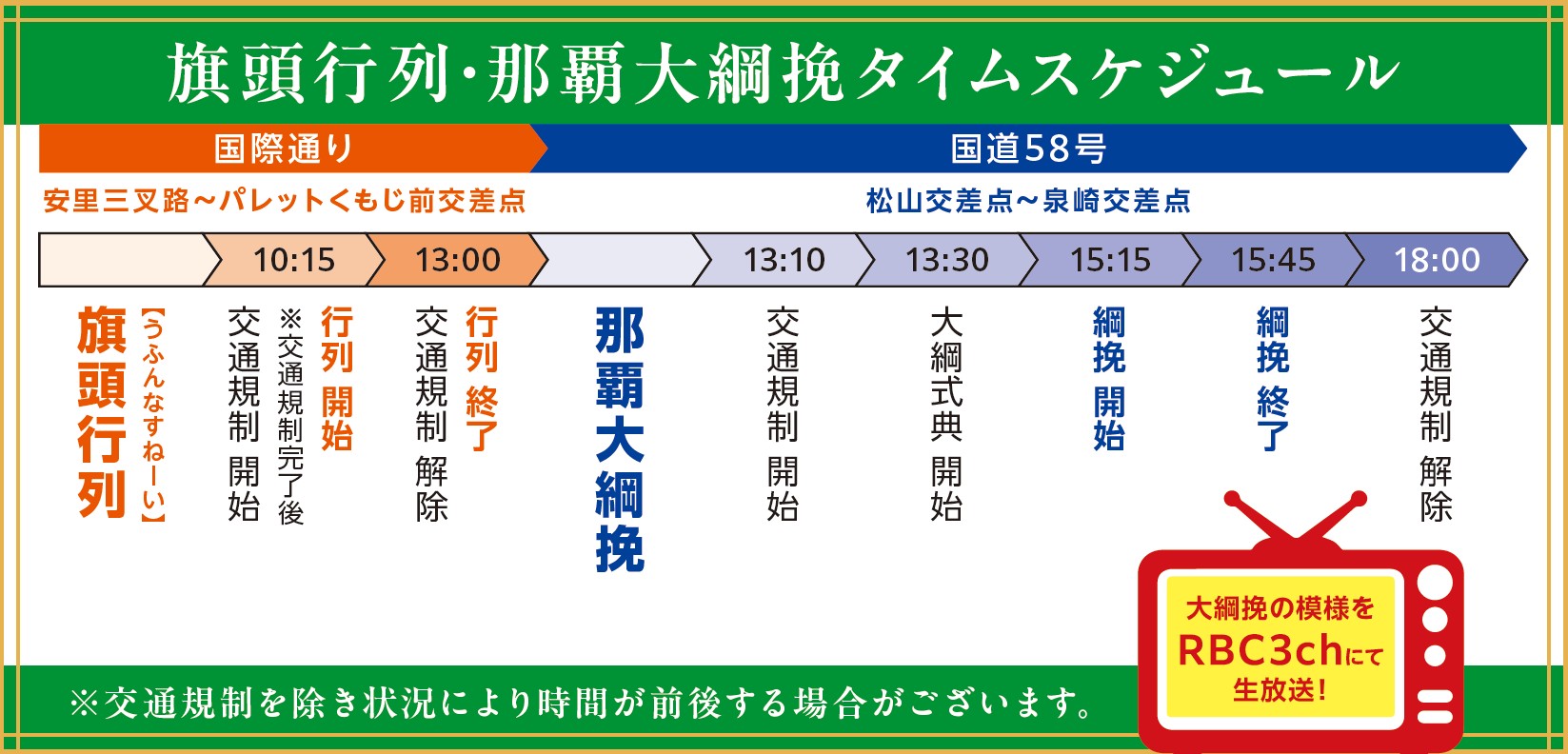
Photo credits
- A climbing kiln under red-tiled roofs in Tsuboya, Naha, April 2011. Not a current view. Photo: 663highland · CC BY 2.5
