Candlelit snow huts in a hidden mountain village
On winter weekends in Yunishigawa Onsen, a hot-spring village in the mountains of Nikko, hundreds of small snow huts glow with candles on the riverbed.

What you will see
Yunishigawa Onsen is a small hot-spring village in the mountains of Nikko City, Tochigi Prefecture. Legend says that warriors of the defeated Taira clan, also called the Heike, hid here after the Genpei War (1180–1185).
From late January to late February, the village holds the Yunishigawa Onsen Kamakura Festival. Kamakura are huts made of snow. The main sight is on the Sawaguchi riverbed, the flat ground beside the river: several hundred mini kamakura, small domes of snow, each with a candle inside.
Local people make the huts by hand every week. They shape each one in a mould, dig out the inside, and then light every candle one by one. In 2026, the Nikko City Tourism Association's guide said that from 19:00 visitors could take photos close to the huts.
The second venue is Heike no Sato, a folk village of old thatched-roof houses moved here from around Yunishigawa. During the festival, mini kamakura and a few large ones stand among the snowy houses, with lanterns made of bamboo, called Heike Akari. In 2026, visitors could not go inside the large huts.
Why this season
The festival depends on snow. Two nearby weather stations of the Japan Meteorological Agency (JMA) are Ikari and Doro-bu. In February, the average daily high is 3.8°C (39°F) at Ikari and 2.4°C (36°F) at Doro-bu, and the average low is −5.3°C (22°F) and −9.1°C (16°F) (1991–2020 averages). At Doro-bu, the snow on the ground reaches about 69 cm at its deepest in an average February. Neither station is at the festival site.
In 2026, the organisers changed some parts and made the festival smaller for the last weekend (27 February – 1 March) because of the snow conditions.
The Heike legend is part of the visit. Heike no Sato was built in 1985, 800 years after the Heike defeat, to pass on the fleeing warriors' way of life. Some inns serve meals eaten around an irori, a sunken hearth, known as Heike ochudo ryori (food of the fleeing warriors). Wild meat such as venison, boar and bear is also served in the area.

When to go
2027 dates. The festival runs from Friday 29 January to Sunday 28 February 2027. The riverbed huts are lit only on Fridays, Saturdays and Sundays, 17:30–21:00, and viewing is free. That makes 15 evenings, listed at the end of this page.
Heike no Sato. In 2026, Heike no Sato stayed open until 21:00 every day of the festival, with mini kamakura lit from 17:30, so they could be seen lit on weekdays too. The 2027 festival page still shows these hours as details of the previous festival. Before the festival, Heike Akari lights are on there on Fridays to Sundays from 8 to 24 January 2027, 17:00–21:00.
Time of day. The Nikko City Tourism Association's English page suggests going at dusk. Arrive before 17:30 to see the lights come on.
Crowds. Parking is limited and Fridays to Sundays are very busy, so the organisers ask visitors to come by train and bus. Buses can also be crowded.
Weather. The dates, times and content can change, or the festival can be cancelled, because of the weather. Check the Nikko City Tourism Association's festival page (in Japanese) close to your visit. Its English page still showed the 2025 dates on 12 November 2026. If you can, keep a second evening free.
Getting there and visiting
You take a train to Yunishigawa-Onsen Station on the Yagan Railway (Aizu Kinugawa Line), a small local railway, and then a bus of Nikko Kotsu, a local bus company. The bus takes about 25 minutes to its last stop, Yunishigawa Onsen. Heike no Sato is next to the stop, and the Sawaguchi riverbed is about 5 minutes' walk away.
- From Asakusa (Tokyo). Tobu Railway, a private railway, runs the limited express Revaty Aizu directly to Yunishigawa-Onsen Station. On the timetable from 14 March 2026, the last one of the day leaves Asakusa at 14:30 and arrives at 17:04. Only the front three cars go to Yunishigawa; the rear three go to Tobu-Nikko. The adult fare is ¥2,110, plus a limited express ticket. Tobu sells limited express tickets online from 9:00 Japan time (JST) one month before travel, by credit card only. Its Japanese page says this includes trips through to Yagan Railway stations. Other Tobu limited expresses reach Kinugawa-Onsen in about 1 hour 50 minutes, and trains from there take about 25 minutes to Yunishigawa-Onsen.
- From Shinjuku. JR and Tobu run through limited expresses from JR Shinjuku Station to Kinugawa-Onsen, about 2 hours. The Japan Rail Pass covers only the JR part; you pay separately from Kurihashi to Kinugawa-Onsen. Tobu's online service does not sell tickets for these trains.
- Passes. Tobu's NIKKO PASS ALL AREA for foreign visitors lists Tobu trains only as far as Shin-Fujiwara, not the Yagan Railway or the Yunishigawa bus. The Yagan Railway's Heike no Sato Meguri Kippu (two days; adults ¥2,900, children ¥1,450) covers the Shin-Fujiwara–Yunishigawa-Onsen train both ways, the bus to the village and Heike no Sato admission; Tobu fares are extra. Buy it at Yagan ticket windows, the TOBU Tourist Information Center in Asakusa, the Kinugawa-Onsen Station tourist centre, or in the Jorudan travel app.
- Cash on the Yagan Railway. Tickets bought at Yagan Railway stations or on the train are cash only; IC cards such as Suica and PASMO and credit cards cannot be used. Tobu stations sell through tickets to Yunishigawa-Onsen. At Yunishigawa-Onsen, the ticket window is open 8:30–17:30; at other times, buy your ticket from the conductor.
- Bus. In 2026, on festival Fridays to Sundays, ten a day left Yunishigawa-Onsen Station, from 8:45 to 17:55; fewer ran on other days. The 17:15 from the station reached the village at 17:40. The adult fare (from 1 June 2026) is ¥1,050 from Yunishigawa-Onsen Station and ¥2,050 from Kinugawa-Onsen Station; children pay ¥530 and ¥1,030. Have coins ready: drivers cannot change ¥10,000, ¥5,000 or ¥2,000 notes. We found no mention of IC cards.
- Getting back. In 2026, the last bus left the village at 19:20, an extra bus on festival Fridays to Sundays only (Yunishigawa-Onsen Station 19:45, Kinugawa-Onsen Station 20:15). The bus before it left at 17:50. On the 2026 timetables, the last limited express to Asakusa leaves Yunishigawa-Onsen Station at 18:27, and the last one from Kinugawa-Onsen at 19:28. To catch either, you would need the 17:50 bus, 20 minutes after the lights come on. So plan to stay the night, in Yunishigawa or Kinugawa Onsen.
- Where to stay. The Nikko City Tourism Association suggests staying at an inn to enjoy the food and hot springs as well. The 2026 leaflet listed 13 inns and hotels and 3 minshuku (small family-run guesthouses) in the village.
- By car. Yunishigawa is about 60 minutes from Imaichi Interchange on the Nikko-Utsunomiya Road, and winter tyres are required. The road from the village towards Doro-bu and Kawamata Onsen is closed in winter. Visitors from most countries need an International Driving Permit and their own licence; check the rules before you travel.
Heike no Sato. Since 1 April 2026, admission has been ¥700 for adults (high-school age and over) and ¥300 for primary and junior-high pupils; preschool children enter free. Holders of a Japanese disability certificate and one carer also enter free. For the Heike Akari evenings in January 2027, the one-day ticket costs the same and is valid 9:00–21:00 with same-day re-entry; there is no night ticket.
Snow park. In the daytime, families can ride sledges at the Yunishigawa Mizunosato Snow Park, about 15 minutes by bus from the station. In 2026, it opened from 31 January to 1 March (closed on Wednesdays), 10:00–15:00, for ¥1,200 from junior-high age or ¥600 for younger children, with a hot-spring bath.

Good to know
- Cold and snow. The Heike Akari leaflet warns that nights can be very cold. It recommends warm clothing.
- Toilets. The 2026 leaflet asked visitors to use the toilet at their inn before going out to see the lights. Its map showed toilets near the Yunishigawa Onsen bus stop and near Sawaguchi Bridge. Yunishigawa-Onsen Station has toilets, an accessible toilet and coin lockers outside the ticket gate.
- Wheelchairs and pushchairs. Yunishigawa-Onsen Station, whose platform is inside a tunnel, has a lift and a step-free route to the exit; the bus stop is about 5 minutes' walk from the platform. We found no official information on wheelchair or pushchair access at the riverbed or Heike no Sato, where the ground is covered with snow.
- Rules. Pets are not allowed, except guide dogs. Do not fly drones at or near the venues.
- Payment. We found no official information on payment methods at Heike no Sato.
- Food. In 2026, Heike no Sato's eating house served local snacks such as miso dengaku (food grilled with a miso topping) and tochi mochi (rice cakes made with horse chestnuts) in the daytime. The Japan National Tourism Organization (JNTO) says in English that larger snow huts can be booked for a barbecue dinner. The organisers' 2026 leaflet and 2027 page do not mention this; we found no official booking details or prices.
- English help. The tourist information counter at Michi-no-Eki Yunishigawa, a roadside station next to Yunishigawa-Onsen Station, works in English and Japanese, every day, 9:00–17:00. Heike Akari has an English leaflet for 2026–27. The festival's contact is the Nikko City Tourism Association (+81-288-22-1525).
With Nikko's shrines
The riverbed huts are lit only in the evening, from 17:30 on Fridays, Saturdays and Sundays, so the next day can go to Nikko's World Heritage shrines and temples.
- Toshogu. As of November 2026, it opens 09:00–16:00 from November to March, with last entry 30 minutes before closing. Adults pay ¥1,600.
- Between the two. Trains take about 25 minutes from Yunishigawa-Onsen to Kinugawa-Onsen. Kinugawa-Onsen is about 20 minutes by Tobu train from Shimo-Imaichi, where the line to Tobu-Nikko branches off.
- Around the shrines. As of November 2026, the World Heritage loop bus from Tobu-Nikko and JR Nikko stations costs adults ¥350 to the shrine stops. Both stations have coin lockers.
One simple plan for two days, on a Friday and Saturday or a Saturday and Sunday:
- The snow huts. On the timetable from 14 March 2026, the last direct Revaty Aizu leaves Asakusa at 14:30 and reaches Yunishigawa-Onsen at 17:04. In 2026, the 17:15 bus from the station reached the village at 17:40. Getting back to Tokyo that evening meant the 17:50 bus on the 2026 timetables, so stay the night in Yunishigawa.
- Nikko, then Tokyo. Take the bus back to Yunishigawa-Onsen Station, then a train past Kinugawa-Onsen to Shimo-Imaichi and on to Tobu-Nikko. Toshogu closes at 16:00, and entry ends at 15:30. On the timetable revised 14 March 2026, the last Tobu limited express to Asakusa leaves Tobu-Nikko at 18:41.
The order can swap, with Nikko by day and the huts that evening, as long as it is a Friday, Saturday or Sunday. Leave Nikko in good time: in 2026, the last bus to the village on festival Fridays to Sundays left Yunishigawa-Onsen Station at 17:55. For more of Nikko, see Nikko.

Nearby and further reading
For another kamakura tradition, in Akita, and for more ideas in winter:
- When Yokote lights its snow huts for the water god
- January in Japan
- February in Japan
- Getting around Japan, from airport to bus stop.
For this winter's other festivals and their dates, see Winter festivals in Japan, 2026–27.
Dates for the 2026–27 season
- Until Monday 23 November 2026: Heike Akari bamboo lights over the Yunishigawa River, every evening, 17:00–21:00, free.
- Fridays to Sundays, 8–24 January 2027: Heike Akari at Heike no Sato, 17:00–21:00 (one-day ticket).
- 29 January – 28 February 2027: Yunishigawa Onsen Kamakura Festival. Riverbed lights, 17:30–21:00, on 29, 30 and 31 January and on 5, 6, 7, 12, 13, 14, 19, 20, 21, 26, 27 and 28 February. From 29 January, Heike Akari continues at Heike no Sato together with the festival.
- Not yet confirmed on 16 November 2026: Heike no Sato's daily hours during the festival, the snow park dates, and Nikko Kotsu's festival bus timetable. In 2026, the festival bus timetable was dated 30 January, the day the festival opened.
Before you go
- Where | Yunishigawa Onsen, a hot-spring village in Nikko, Tochigi Prefecture (Kanto region). The Sawaguchi riverbed is about 5 minutes' walk from the Yunishigawa Onsen bus stop; Heike no Sato is next to the stop
- When | 29 January – 28 February 2027. The riverbed huts are lit only on Fridays, Saturdays and Sundays, 17:30–21:00 (15 evenings)
- Cost | Riverbed: free. Heike no Sato: adults ¥700, primary and junior-high pupils ¥300, preschool children free (since 1 April 2026)
- Getting there | Tobu Railway limited express Revaty Aizu from Asakusa to Yunishigawa-Onsen Station (for example 14:30–17:04), then a Nikko Kotsu bus, about 25 minutes, ¥1,050. The Japan Rail Pass does not cover this route
- Getting back | In 2026 the last bus left the village at 19:20 (festival Fridays to Sundays only). The last limited express to Asakusa leaves Kinugawa-Onsen at 19:28, so stay the night
- Checked | 10–25 November 2026 · 36 official sources
Places in this story
- Nikko — destination guide
- Kinugawa Onsen — A hot-spring town along the Kinugawa River gorge, lined with inns and hotels. The water is a simple alkaline spring, and a free footbath stands in front of the station.
Sources
Sources (36) · checked 10 November 2026
- 日光市観光協会(Nikko Official Guide)|Yunishigawa, Kawamata and Okukinu Onsen(平家の落人の伝説)
- 湯西川温泉かまくら祭実行委員会・日光市観光協会|2026雪国時間 湯西川温泉かまくら祭 チラシ(PDF、両面。33周年・各会場の時間と料金・トイレの呼びかけ・会場地図・旅館と民宿の一覧・アクセス・冬季通行止め)
- 日光市観光協会(日光旅ナビ)|湯西川温泉 かまくら祭(2027年の開催期間・沢口河川敷のミニかまくら点灯・アクセス・駐車場とバスの混雑・ペットとドローン・冬用タイヤ。下段は前回2026年の内容)
- 日光市観光協会(日光旅ナビ)|【湯西川温泉かまくら祭2026】見どころや楽しみ方をご紹介!日光冬の風物詩(数百個のミニかまくら・地元の手作り・19時以降の撮影・平家の里・スノーパーク・囲炉裏料理とジビエ・2026年の最終週末の規模縮小)
- 日光市観光協会(日光旅ナビ)|平家の里(1985年開設・茅葺き民家の移築・営業時間・入園料・障がい者手帳の提示で本人と介護者1名は無料)
- 気象庁|過去の気象データ検索:五十里(栃木県) 平年値(年・月ごとの値)
- 気象庁|過去の気象データ検索:土呂部(栃木県) 平年値(年・月ごとの値)
- 日光市観光協会(Nikko Official Guide)|Heike Ochudo Ryori(平家落人料理)
- 日光市観光協会(日光旅ナビ)|【2026年】湯西川温泉 平家あかり(河川会場は2026年11月23日まで、平家の里会場は2027年1月8日〜24日の金土日、1日利用券、1月29日からかまくら祭と同時開催)
- 日光市観光協会(Nikko Official Guide)|Yunishigawa Onsen Kamakura Snow House Festival(英語。2026年11月12日の時点で2025年の日程のまま)
- 東武鉄道|Limited express train timetable: [Outbound] Asakusa, Shinjuku - Tobu-nikko, Kinugawa-onsen, Aizu-tajima(2026年3月14日改正、PDF)
- 野岩鉄道|運賃(浅草からの運賃・連絡乗車券・窓口時間外は車掌から購入・特急料金)
- 東武鉄道|How to purchase limited express tickets
- 東武鉄道|トブチケ!(会員登録せずに利用する)(チケットレスの特急券。発売区間は東武線・野岩鉄道線・会津鉄道線〈東武線区間を含まない区間は不可〉、乗車日の1か月前の午前9時から、クレジットカード決済、JR相互直通特急は対象外)
- 東武鉄道|Access Information: Access to KINUGAWA ONSEN(浅草から約1時間50分・新宿からJR直通特急で約2時間)
- JAPAN RAIL PASS(JRグループ)|Scope of validity
- 東武鉄道|NIKKO PASS ALL AREA
- 野岩鉄道|湯西川温泉 平家の里めぐりきっぷ(2日間、新藤原〜湯西川温泉駅の鉄道往復・湯西川温泉駅〜湯西川温泉のバス2日フリー・平家の里入園券、大人2,900円・小児1,450円、発売箇所、ジョルダンモバイルチケット)
- 野岩鉄道|列車の乗り方(現金のみ・交通系ICカードとクレジットカードは使えない)
- 野岩鉄道|湯西川温泉駅(路線図・駅情報。トンネル内のホーム・バス停まで徒歩約5分・窓口営業時間・設備・バリアフリー・道の駅湯西川と併設)
- 日光交通|湯西川線 時刻表(湯西川温泉かまくら祭2026に合わせた運行時刻、2026年1月30日現在、PDF)
- 日光交通|湯西川線 鬼怒川温泉駅(川治温泉・湯西川温泉駅経由)湯西川温泉間 運賃表(2026年6月1日〜、PDF)
- 日光交通|路線バス(運賃表・1万円札などの両替不可・小銭の用意)
- 野岩鉄道|会津鬼怒川線 湯西川温泉駅 発車時刻表(令和8年3月14日改正、PDF)
- 東武鉄道|Limited express train timetable: [Inbound] Aizu-tajima, Kinugawa-onsen, Tobu-nikko - Shinjuku, Asakusa(2026年3月14日改正、PDF)
- 日光市観光協会(Nikko Official Guide)|Getting Here & Around
- 平家の里|平家の里入場料金の改定について(令和8年4月1日から。大人700円・小中学生300円・乳幼児無料、障がい者手帳の所持者と介護者1名は免除。画像の案内。トップページからのリンクは2026年11月12日の時点でコメントアウトされている)
- 湯西川水の郷|2026年 1/31(土)~3/1(日)「湯西川水の郷スノーパーク」
- 日光市観光協会|Yunishigawa Onsen Heike Akari: Bamboo Lantern Illumination(英語のチラシ、PDF。2026年秋〜2027年1月)
- 日本政府観光局(JNTO)|Yunishigawa Kamakura Festival(英語。年の記載なし)
- 日光市観光協会(Nikko Official Guide)|Tourist Information Centers
- 日光市|「日光の社寺」の概要(1999年登録・103棟〈国宝9棟・重要文化財94棟〉と遺跡〈文化的景観〉)
- 日光東照宮|拝観時間・料金
- 東武鉄道|Access Information(Access to Nikko)
- 東武バス|日光エリア(運賃・時刻表・お知らせ)
- 日光市観光協会(Nikko Official Guide)|FAQs
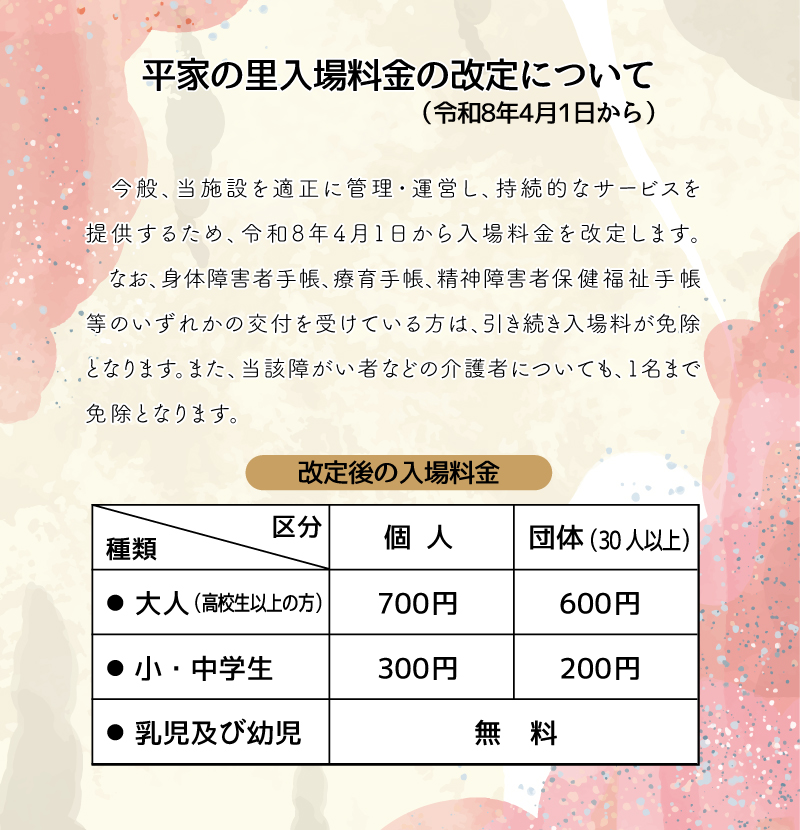
Photo credits
- Sawaguchi riverbed, Yunishigawa Onsen, February 2023. Not a current view. Photo: Miyuki Meinaka · CC BY-SA 4.0
- Mini kamakura lit at the Yunishigawa Onsen Kamakura Festival, February 2018. Not a current view. Photo: Koda6029 · CC BY-SA 4.0
- Thatched-roof houses and kamakura at the Heike no Sato venue, February 2023. Not a current view. Photo: Miyuki Meinaka · CC BY-SA 4.0
- Mini kamakura in the snow and thatched roofs at Heike no Sato at dusk, February 2022. Not a current view. Photo: Miyuki Meinaka · CC BY-SA 4.0


